

How to Choose Wholesale Eyewear Suppliers
Choosing the right wholesale eyewear supplier is important for optical retailers, eyewear stores, e-commerce sellers, and growing eyewear brands.
A reliable supplier should offer more than competitive prices. Buyers should also consider product quality, MOQ, compliance, lead time, customization, shipping, and communication.
Here are the key factors to evaluate before placing an order.
1. Check Product Quality
Product quality should always come first.
Before placing a large order, request samples and check:
· Frame alignment
· Hinges and screws
· Surface polishing
· Metal plating
· Lens quality
· Color consistency
· Overall finishing
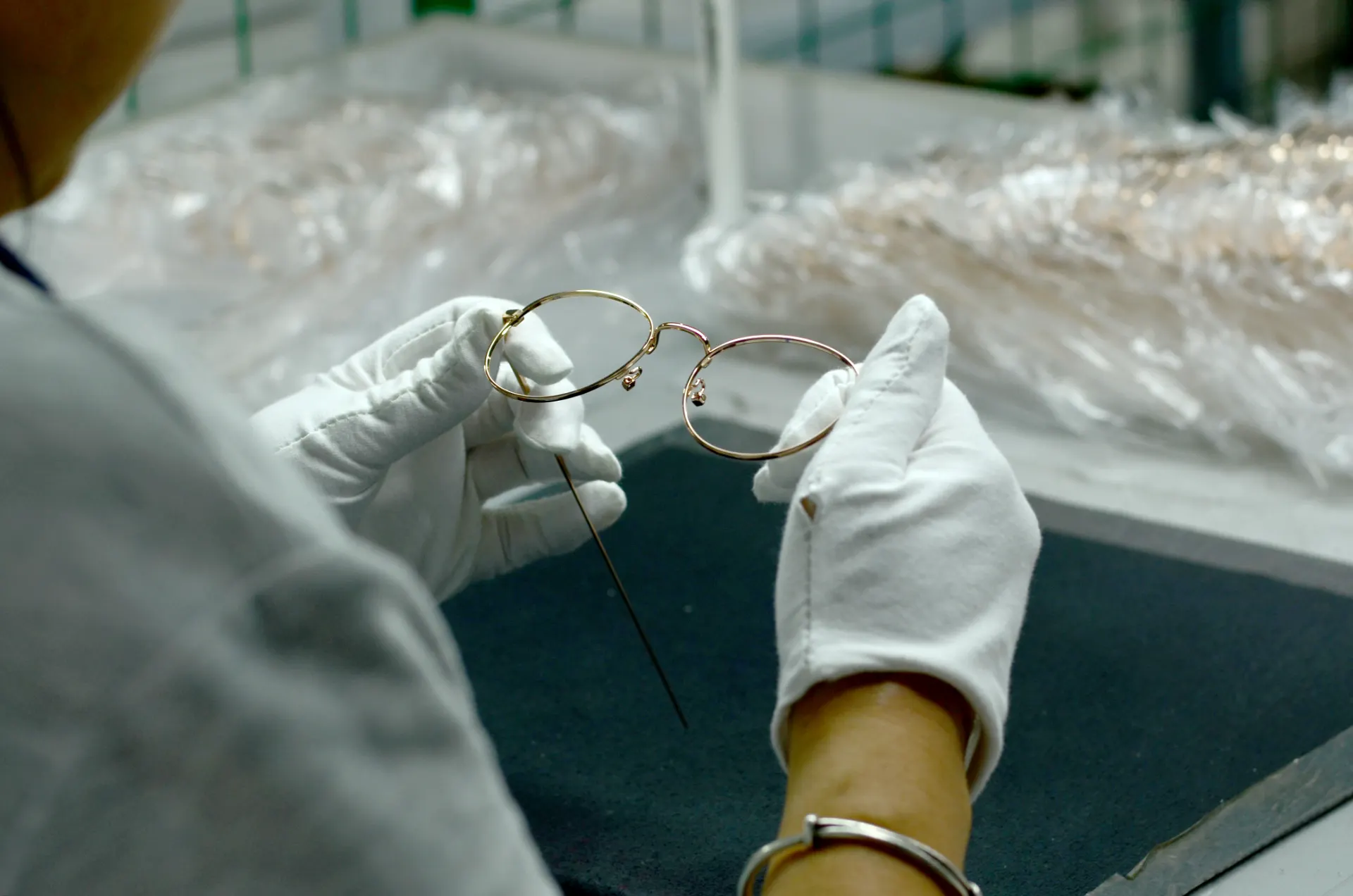
For acetate frames, check polishing and material consistency. For metal frames, pay attention to plating, welding, and nose pad installation.
A professional supplier should also have a clear quality control process before shipment.
2. Compare Minimum Order Quantities
MOQ can have a major impact on inventory risk.
For independent optical stores and smaller eyewear businesses, flexible ordering can be more important than getting the lowest possible unit price.
Low MOQ allows buyers to:
· Test new styles
· Order more colors
· Reduce inventory pressure
· Reorder according to demand
Platforms such as Path Optical focus on flexible B2B eyewear sourcing, making it easier for retailers and growing eyewear businesses to purchase smaller quantities and test different styles.
3. Review the Product Range
A good wholesale eyewear supplier should offer enough variety for different customer groups.
Common product categories include:
· Acetate optical frames
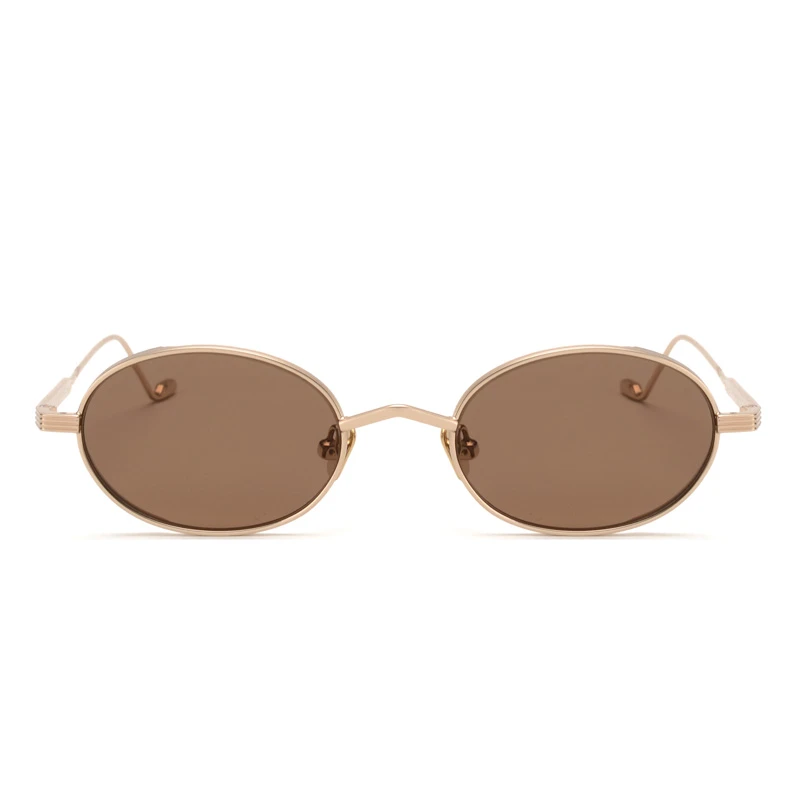
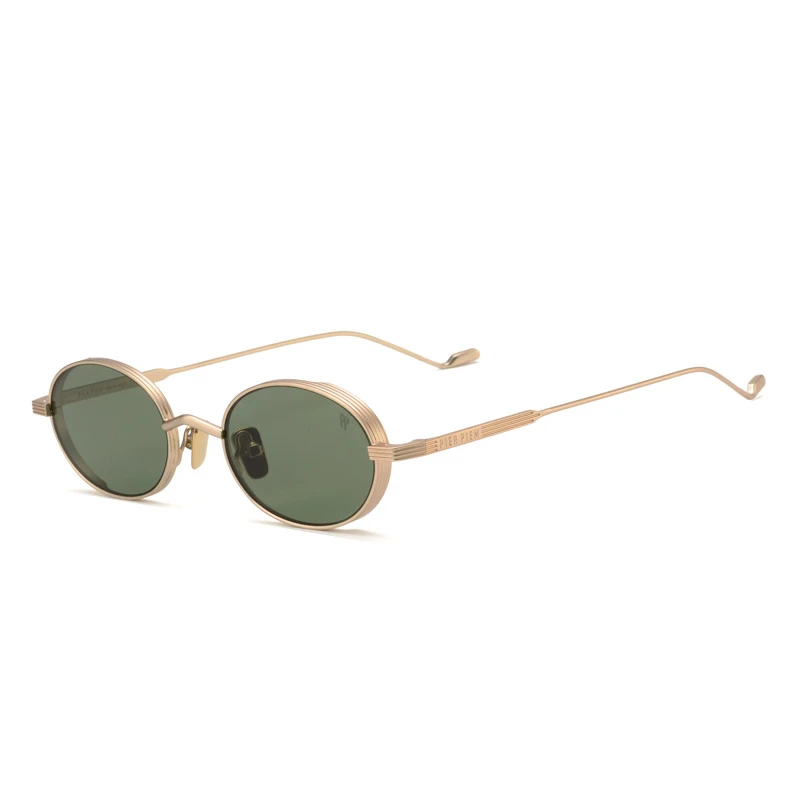
· Metal eyeglass frames
· Titanium frames
· TR90 frames
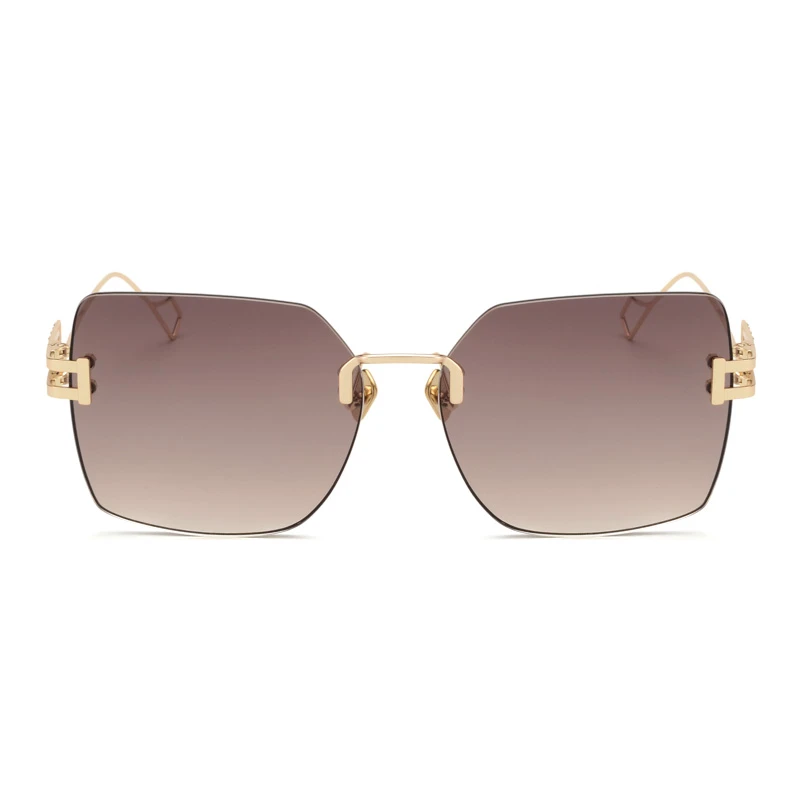
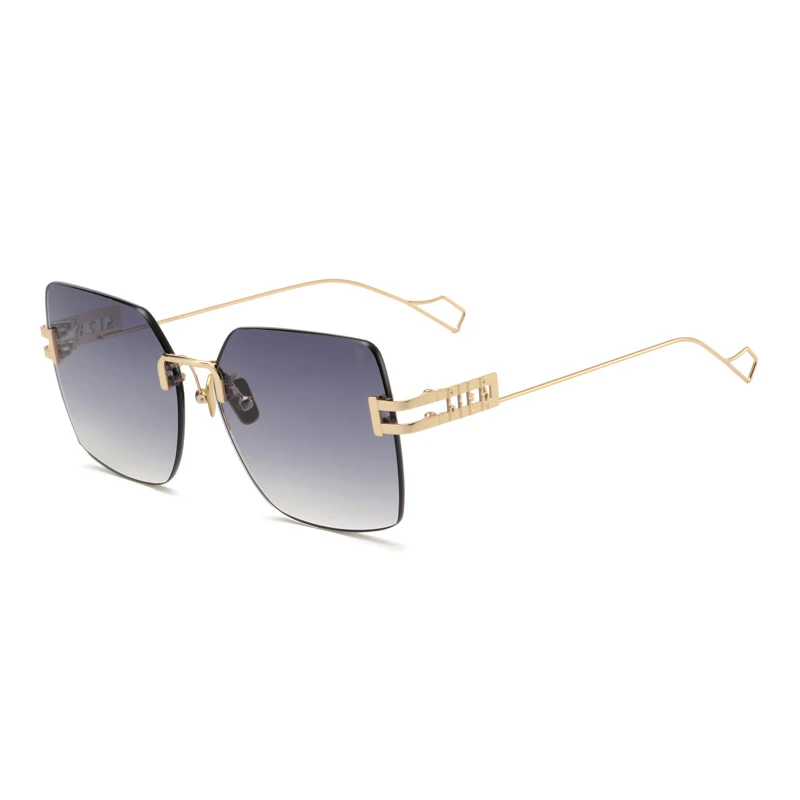
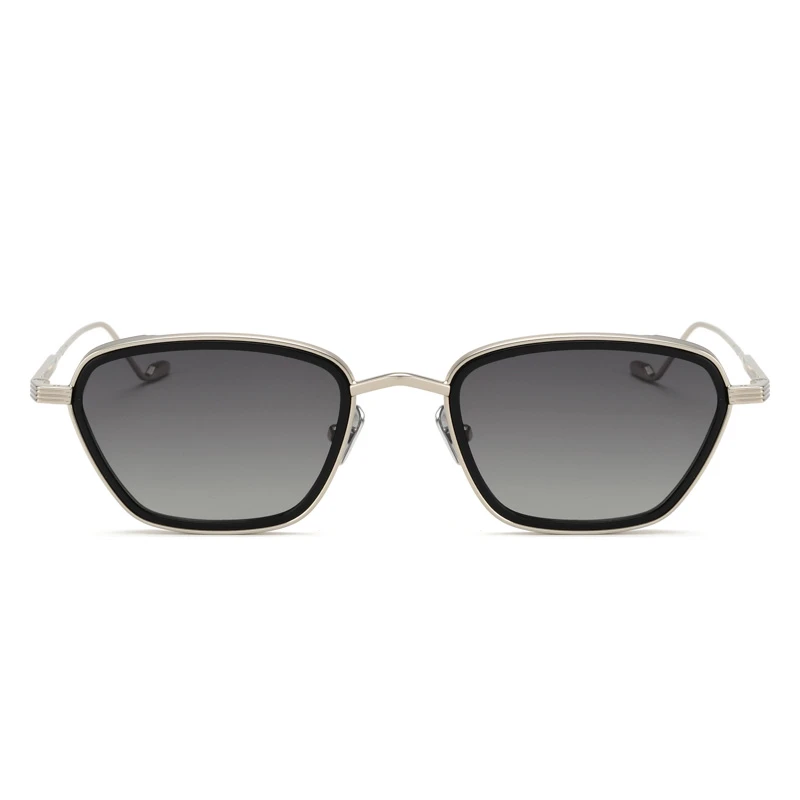
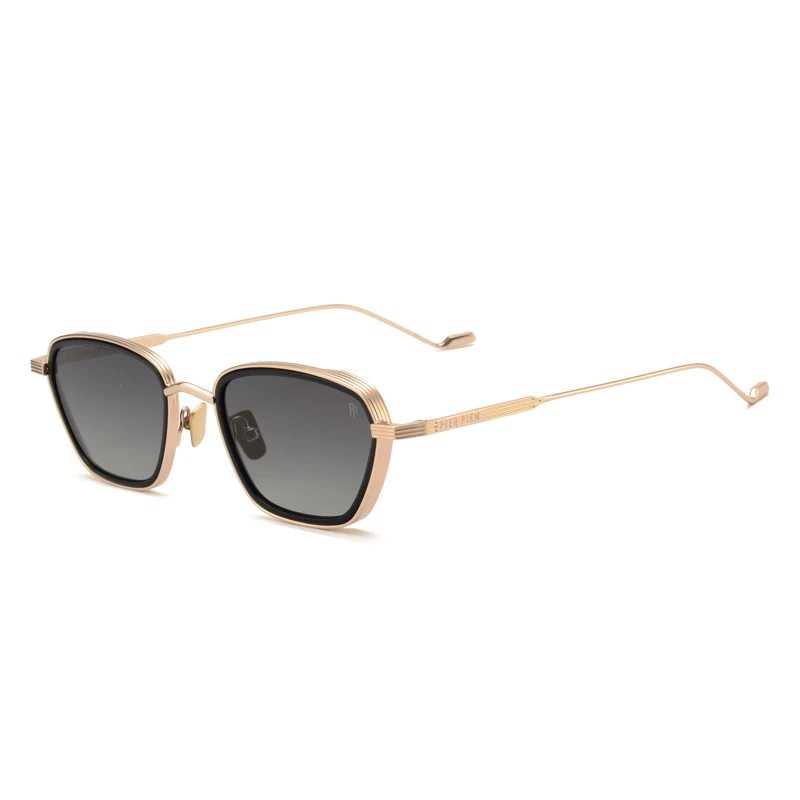
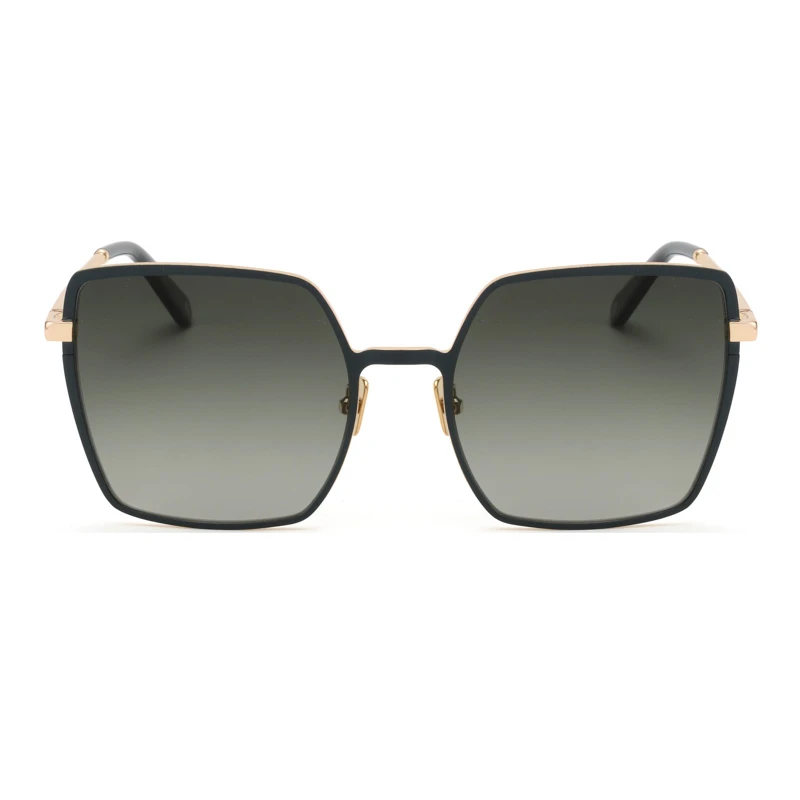
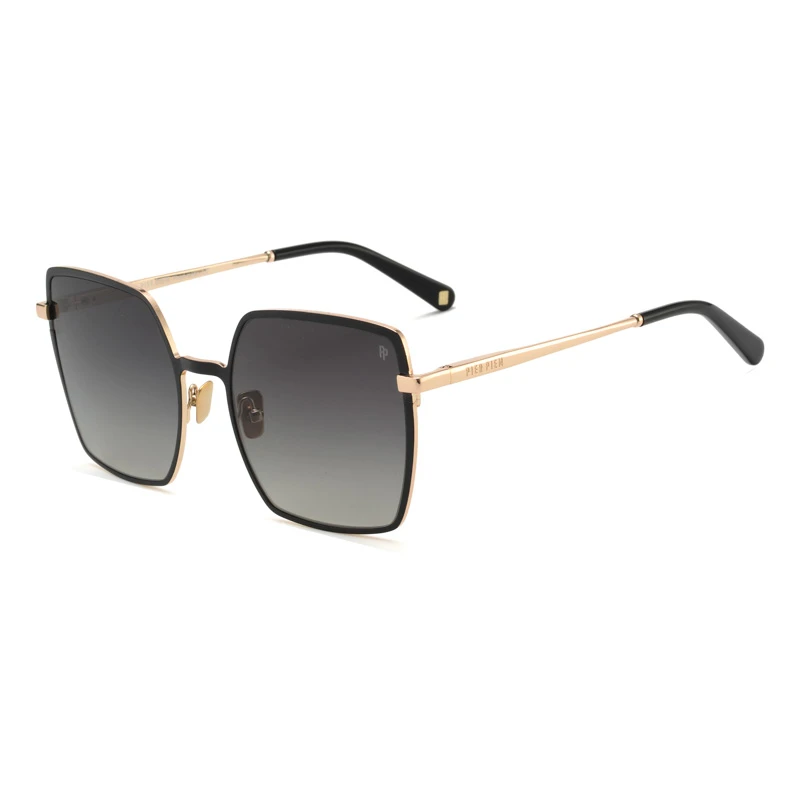
· Sunglasses
· Kids' eyewear
· Eyewear accessories
A broad product range can help retailers build a more complete collection without working with too many suppliers.
4. Check Compliance and Documentation
Eyewear requirements vary depending on the product and destination market.
Before ordering, ask whether the supplier can provide relevant documentation such as:
· CE-related documentation
· FDA-related information
· UV protection testing
· Product test reports
· Material information
· Factory quality documentation
For sunglasses, UV protection and lens performance are especially important.
Always confirm which regulations apply in your target market rather than assuming one certificate covers every country.
5. Compare Price and Total Cost
Do not compare suppliers based only on the frame price.
Your actual cost may include:
Product price + packaging + shipping + duties + customs fees + handling
A slightly higher product price may still be more competitive if the supplier offers better quality, lower MOQ, faster shipping, or fewer defective products.
6. Check Lead Times and Stock Availability
Ask suppliers whether products are ready stock or made to order.
Ready-Stock Eyewear
Ready-stock products are suitable for:
· Small orders
· Fast replenishment
· Testing new styles
· Seasonal purchasing
Custom Production
Custom eyewear may require longer lead times because of:
· Custom colors
· Logo printing
· Packaging
· Material sourcing
· New frame development
Always confirm the expected delivery time before placing an order.
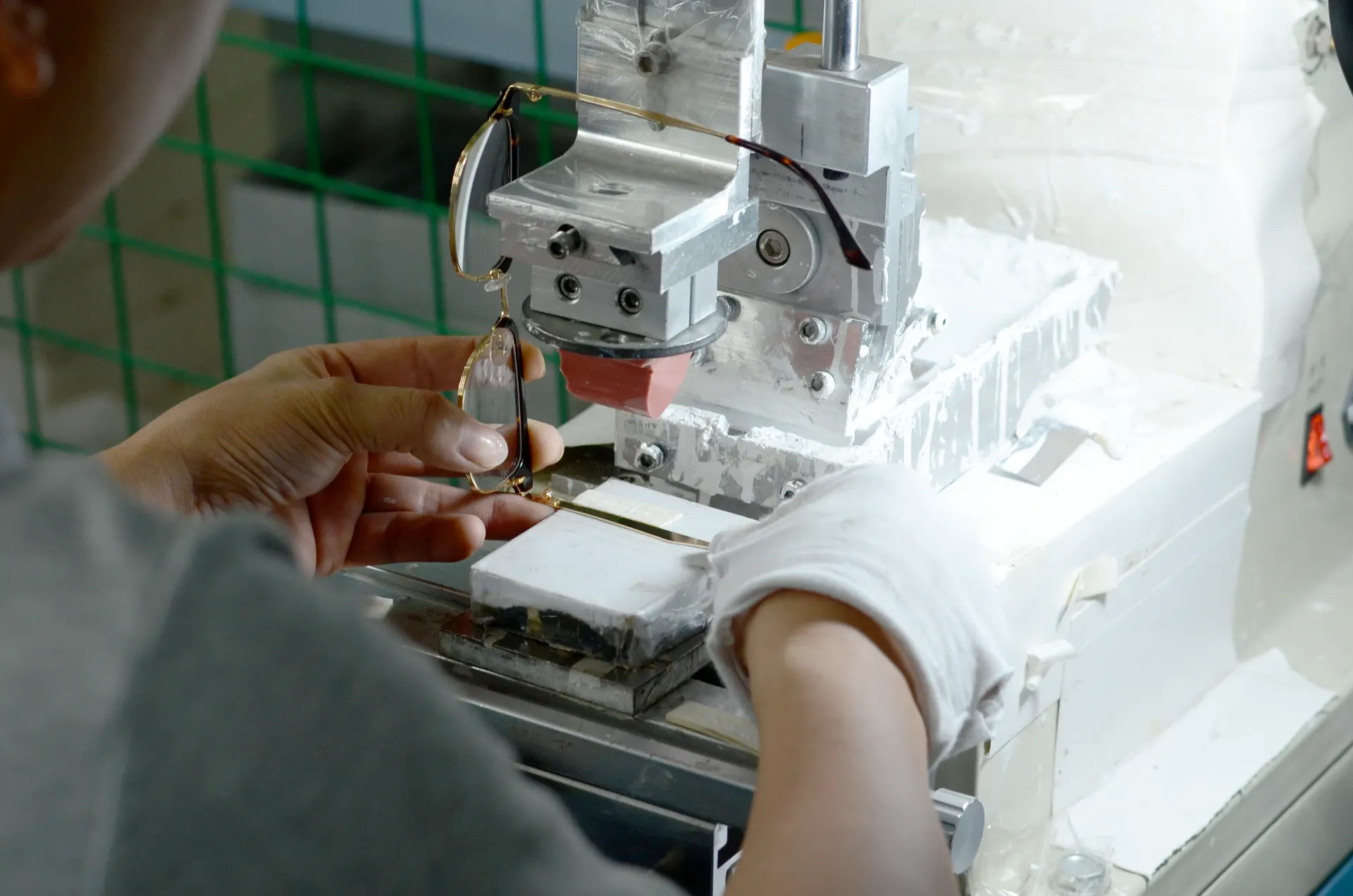
7. Evaluate Private Label Options
If you are developing your own eyewear brand, ask about private label and OEM services.
Common customization options include:
· Logo printing
· Temple branding
· Lens printing
· Custom colors
· Cases
· Cleaning cloths
· Custom packaging
Private label is usually easier for smaller brands, while OEM development is more suitable for larger orders or exclusive designs.
8. Evaluate Communication and Service
Good communication is essential when sourcing eyewear internationally.
A professional supplier should clearly explain:
· Pricing
· MOQ
· Materials
· Colors
· Inventory
· Production time
· Shipping
· Documentation
Clear and accurate communication helps prevent mistakes before production starts.
9. Check Reordering Convenience
A supplier should not only make the first order easy. Reordering should also be simple.
Ask whether:
· Popular models are regularly restocked
· Previous styles can be reordered
· Inventory can be checked easily
· Small repeat orders are accepted
· Ready-stock products can ship quickly
This is particularly important for optical stores that want to restock best-selling frames without carrying excessive inventory.
Path Optical is built around flexible wholesale sourcing, ready-stock purchasing, and easier repeat ordering for eyewear businesses.
Wholesale Eyewear Supplier Checklist
Before placing an order, confirm:
Product
· Material
· Size
· Colors
· Sample quality
· Lens specifications
Commercial Terms
· MOQ
· Unit price
· Payment terms
· Packaging cost
Quality
· QC process
· Defect policy
· Compliance documents
Logistics
· Lead time
· Shipping method
· Freight cost
Branding
· Logo
· Packaging
· Private label requirements
Manufacturer or Wholesale Platform?
Both sourcing models have advantages.
Manufacturer
A manufacturer may be more suitable if you need:
· Large quantities
· Custom designs
· Exclusive products
· OEM production
Wholesale Platform
A wholesale platform may be better if you need:
· Lower MOQ
· Mixed styles
· Ready stock
· Faster reordering
· More flexible purchasing
The right option depends on your order volume, inventory strategy, and customization requirements.
FAQ
How do I find a reliable wholesale eyewear supplier?
Compare product quality, MOQ, pricing, compliance documentation, lead times, samples, shipping, and communication before placing a large order.
What is a good MOQ for wholesale eyewear?
There is no single ideal MOQ. Smaller retailers usually benefit from lower or mixed-style MOQs because they reduce inventory risk.
Should I order samples first?
Yes. Samples allow you to evaluate materials, finishing, hinges, colors, size, lenses, and overall quality before making a larger purchase.
What documents should I ask an eyewear supplier for?
Depending on your market and product, you may need CE-related documents, FDA-related information, UV testing, product reports, or material documentation.
Can I add my own logo to wholesale eyewear?
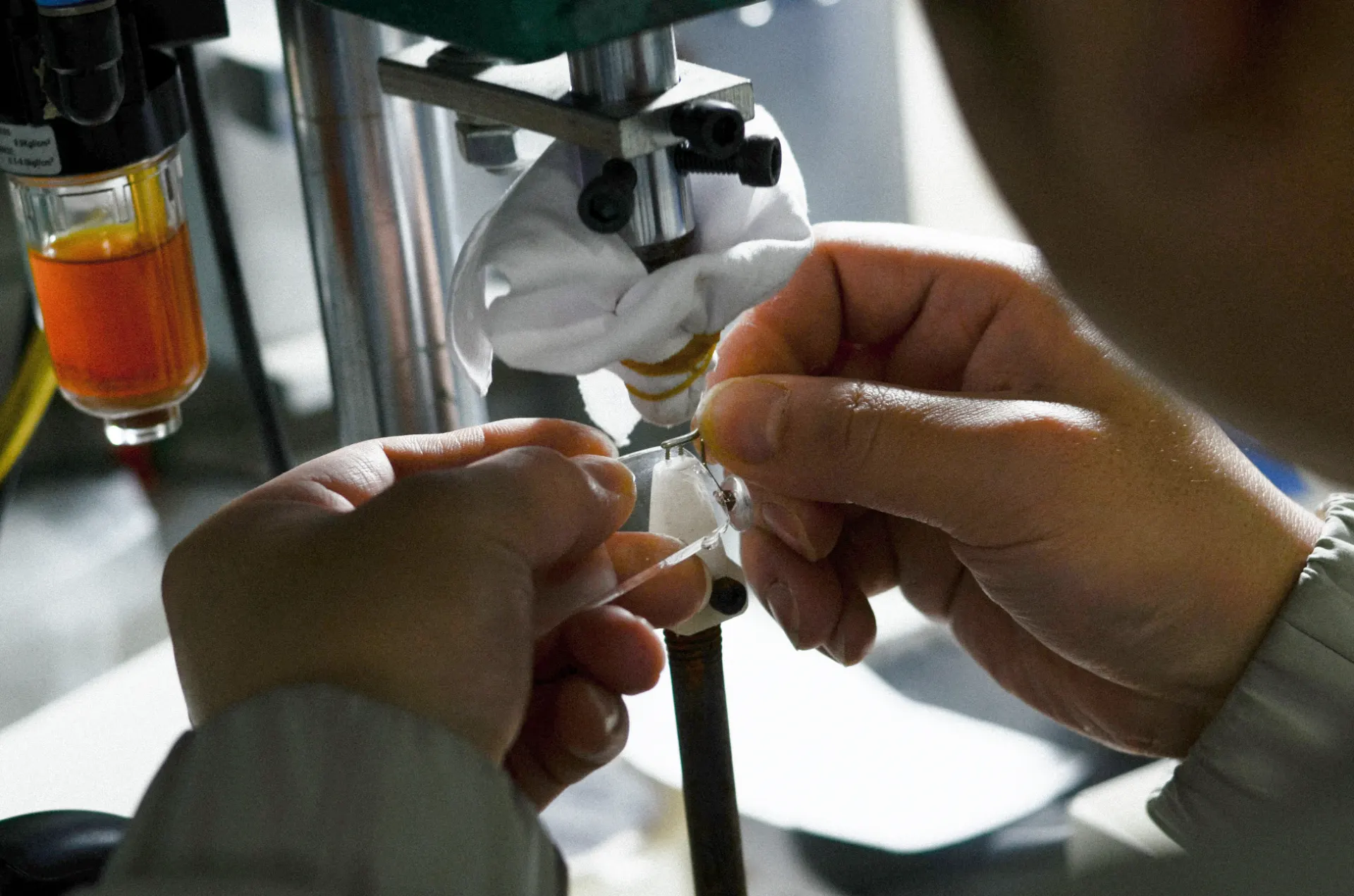
Yes. Many eyewear suppliers offer private-label services including logo printing, temple branding, lens printing, and custom packaging.
Is the cheapest eyewear supplier always the best?
No. Buyers should also consider product quality, defect rates, MOQ, shipping, delivery time, and communication.
Final Thoughts
The best wholesale eyewear supplier should offer a good balance of:
Quality + Price + MOQ + Compliance + Delivery + Service
Before committing to a large order, request samples, confirm documentation, review shipping costs, and start with a manageable quantity.
For smaller optical retailers and growing eyewear businesses, flexible sourcing platforms such as Path Optical can help reduce inventory pressure while providing access to a broader selection of wholesale eyewear.