

How to Test New Eyewear Styles with Small MOQ
Launching new eyewear styles always involves uncertainty. A frame may look promising during product selection but perform differently once it reaches real customers.
Testing new eyewear styles with a small MOQ (Minimum Order Quantity) allows optical retailers, eyewear stores, and online sellers to evaluate market demand before committing to larger inventory. The key is to order a limited quantity, test customer response, analyze sales data, and reorder the styles that perform well.
Why Test Eyewear Styles with a Small MOQ?
Eyewear trends can change quickly. Frame shapes, colors, materials, and details that work well in one market may not perform the same way in another.
Small MOQ sourcing can help buyers:
- Reduce inventory risk
- Test more frame styles and colors
- Collect real customer feedback
- Improve cash flow
- Identify best sellers before larger orders
Instead of investing heavily in a few untested designs, buyers can build a more diverse trial collection and make purchasing decisions based on actual sales results.
How to Test New Eyewear Styles
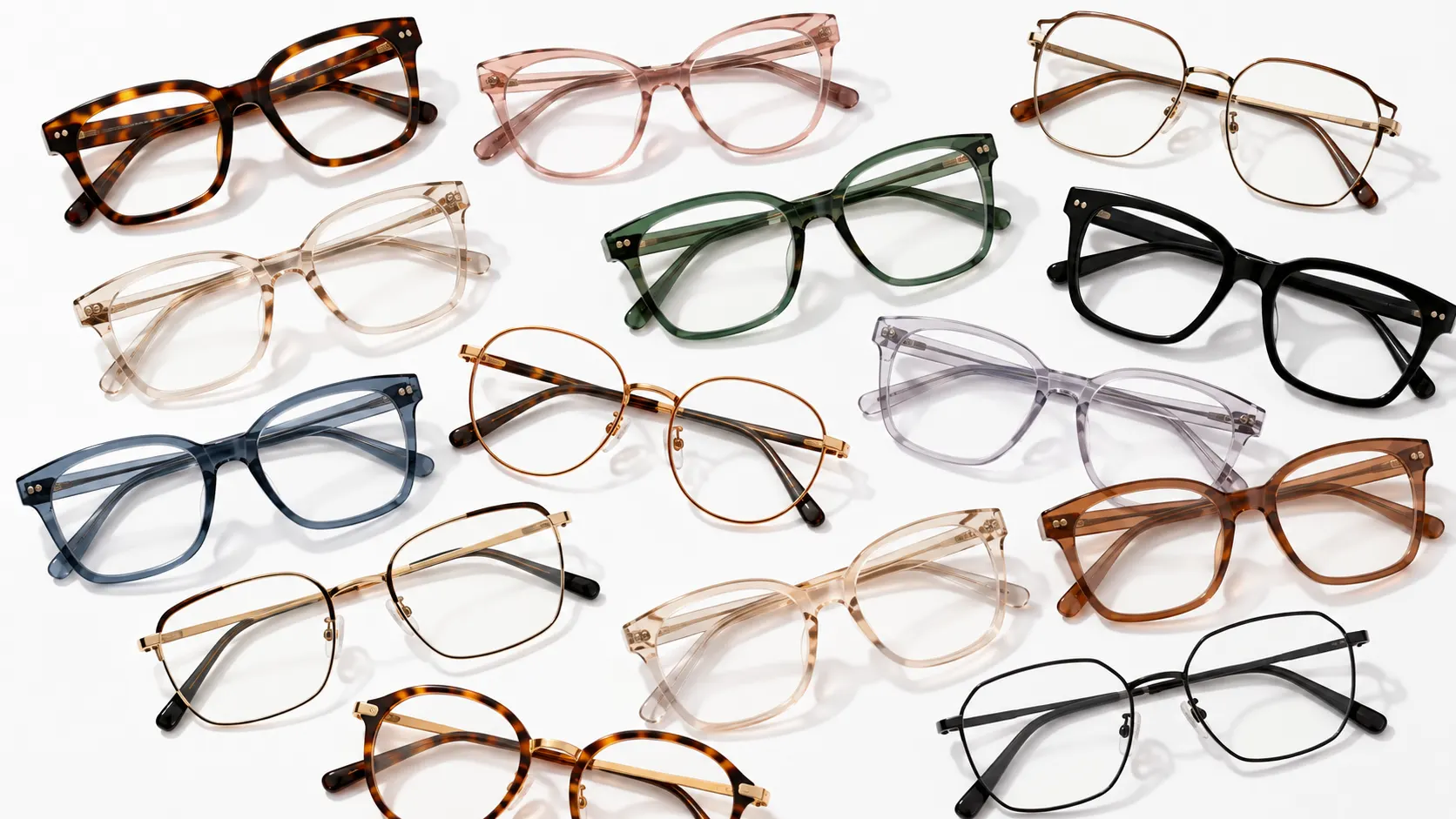
1. Select a Diverse Test Collection
Avoid testing only one type of frame. Choose a balanced selection across different:
- Frame shapes
- Colors
- Materials
- Sizes
- Optical frames and sunglasses
For example, you might test classic rectangular frames alongside trend-driven geometric or oversized designs.
2. Start with Small Quantities
Order a limited quantity of each style rather than placing a large initial order.
At Path Optical, we focus on flexible, small-batch eyewear sourcing for optical retailers, eyewear stores, optometry practices, e-commerce sellers, and growing eyewear brands. This makes it easier for buyers to introduce new styles without committing to excessive inventory.
3. Track Customer Response
Once the test collection is available, monitor more than just total sales.
Useful indicators include:
- Sell-through rate
- Customer inquiries
- Try-on feedback
- Popular colors
- Returns or exchanges
- Online clicks and conversions
These insights can reveal why one style performs better than another.
4. Reorder the Winners
After the testing period, divide products into three groups:
Best Sellers: Reorder and increase quantities.
Potential Styles: Keep testing or try different colors.
Slow Movers: Reduce or discontinue future orders.
This creates a simple test → measure → reorder purchasing cycle.
Small MOQ Helps Build a Smarter Eyewear Collection
Small MOQ is not only about buying fewer products. It can also be used as a product development strategy.
Retailers can test multiple styles with relatively low inventory exposure, learn what their customers actually prefer, and gradually increase orders for proven designs.
For growing eyewear businesses, working with a flexible wholesale supplier such as Path Optical can make it easier to refresh collections, test new trends, and respond to market demand.
FAQ
What is a good MOQ for testing new eyewear styles?
The ideal quantity depends on your store size, sales volume, and number of styles being tested. The goal is to keep the first order small enough to limit inventory risk while still providing enough products to measure customer response.
Why is small MOQ important for eyewear retailers?
Small MOQ allows retailers to test more designs without committing too much capital to a single style. It can also reduce the risk of unsold inventory.
What eyewear styles should I test first?
Consider combining proven commercial shapes with several trend-driven designs. Testing different colors, materials, and frame shapes can provide better information about customer preferences.
When should I reorder a tested eyewear style?
Reorder when a style shows consistent demand, healthy sell-through, and positive customer feedback. Strong performers can then be purchased in larger quantities.
Conclusion
Testing new eyewear styles with small MOQ gives buyers a practical way to reduce inventory risk while discovering what customers really want.
Start small, test different designs, track performance, and scale up the winners. With flexible small-batch sourcing from Path Optical, eyewear businesses can build collections based on real market demand rather than guesswork.