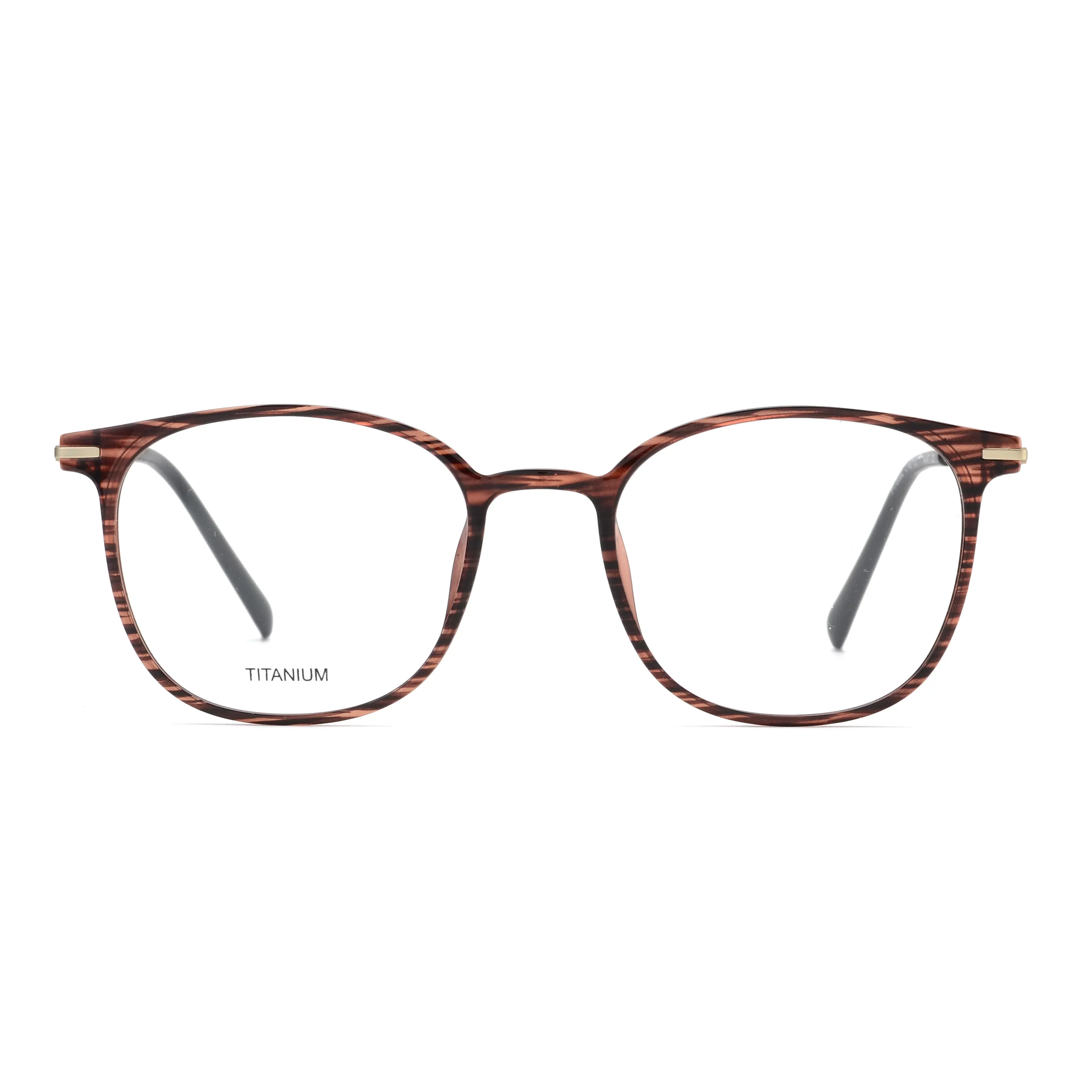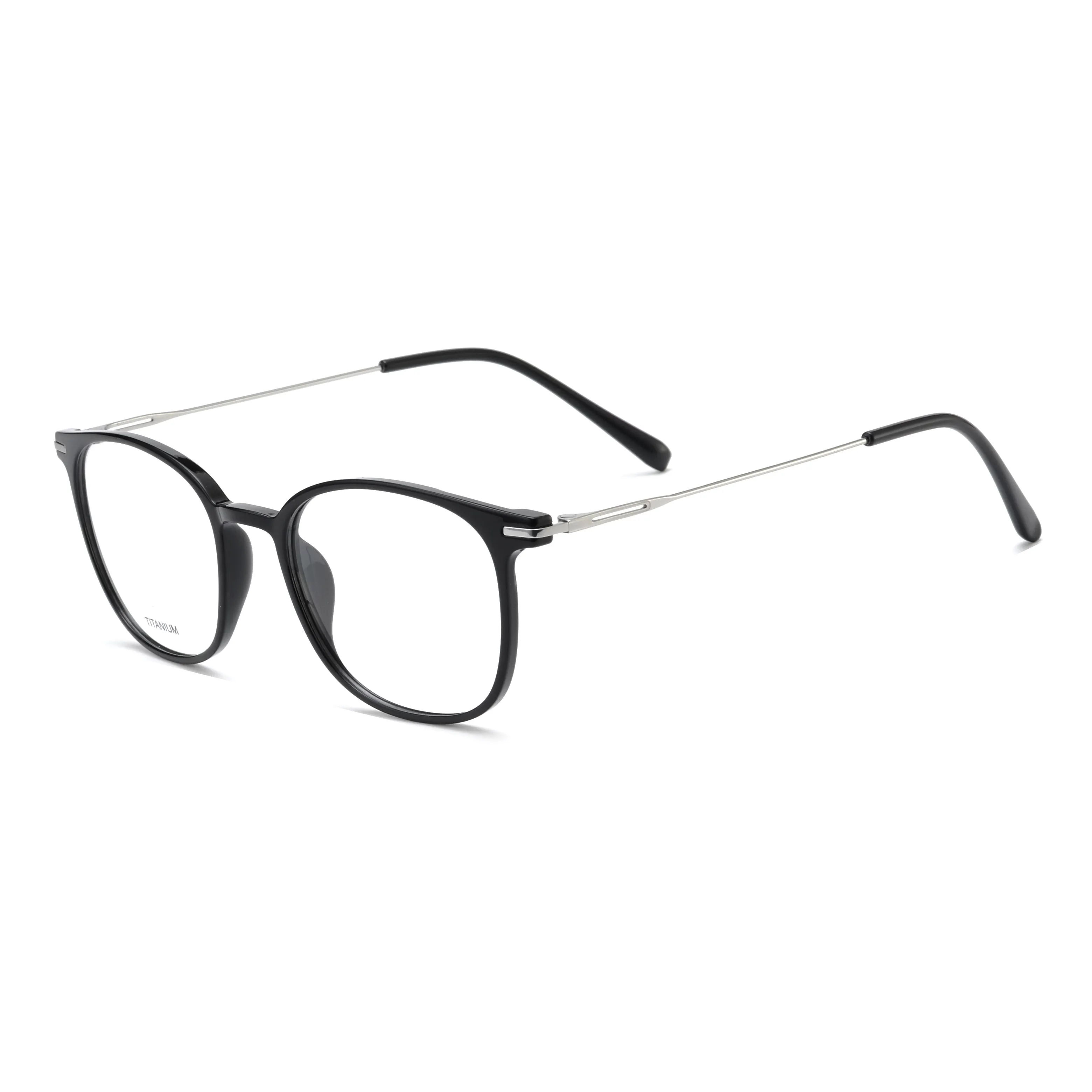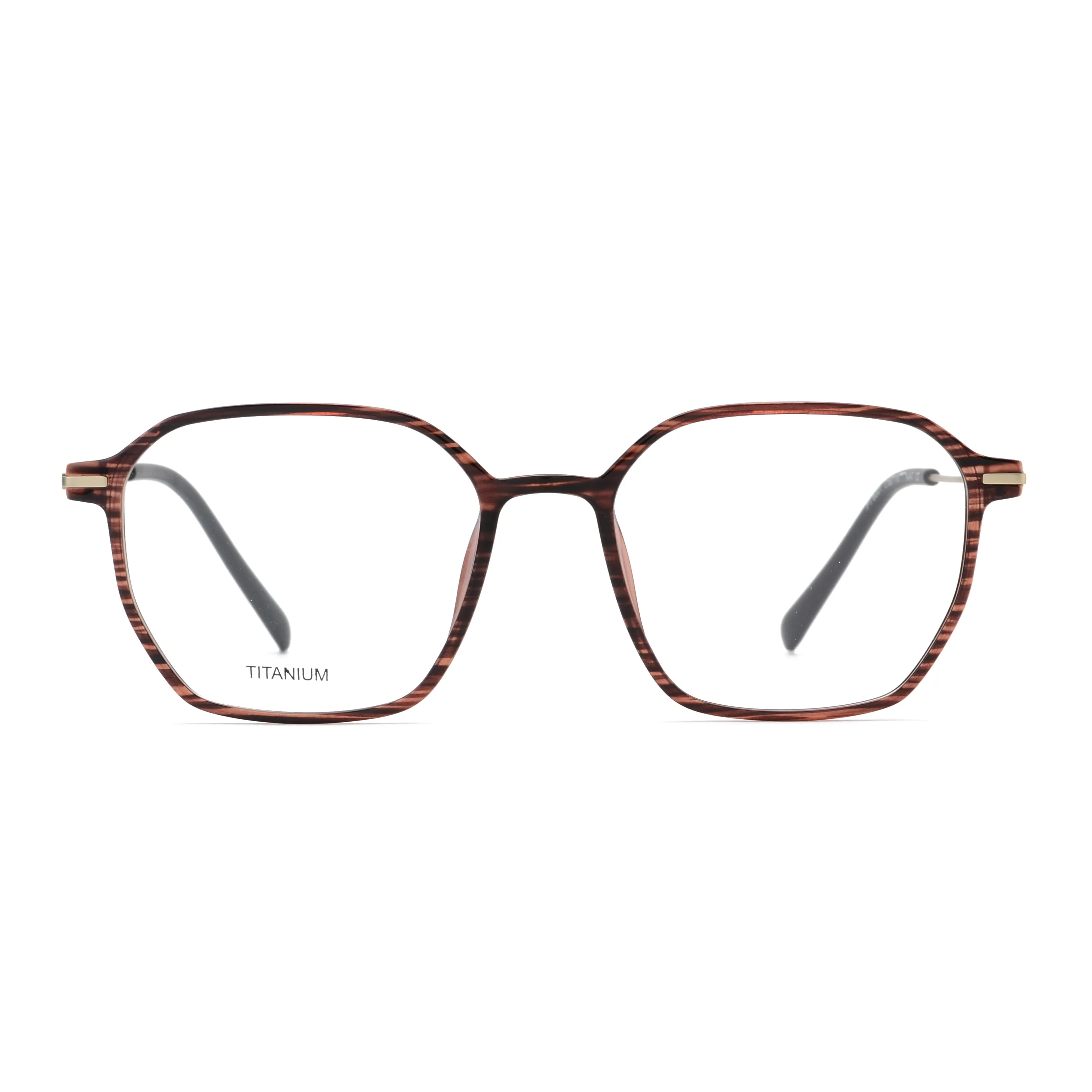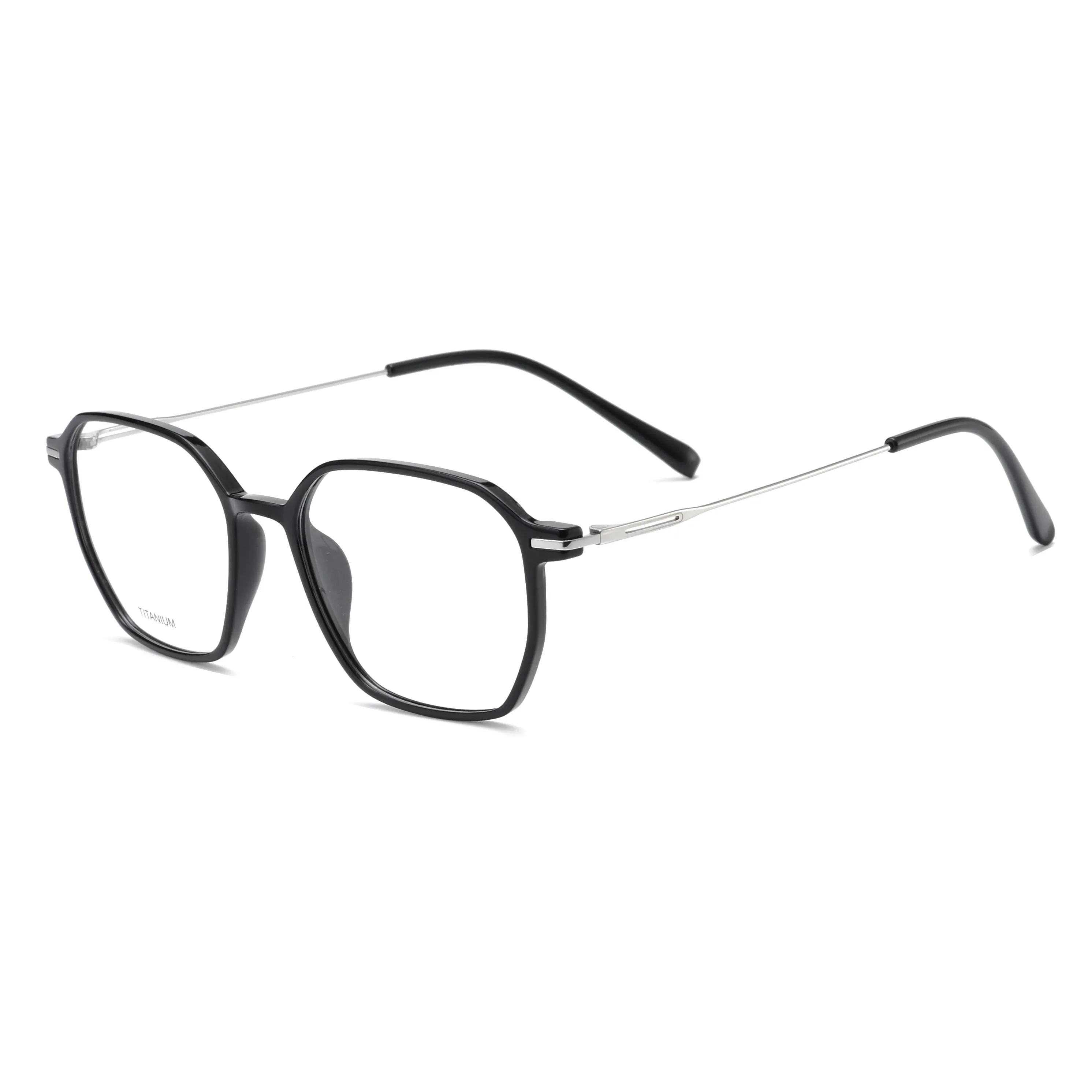


Acetate vs. TR90: Which Eyewear Material Is Right for Your Collection?
Choosing the right eyewear material affects more than product appearance. It also influences comfort, durability, pricing, and the types of customers your collection can serve.
For optical retailers, optometry practices, and small wholesale buyers, acetate and TR90 are two popular options. Understanding their differences can help you build a balanced, market-ready eyewear assortment.
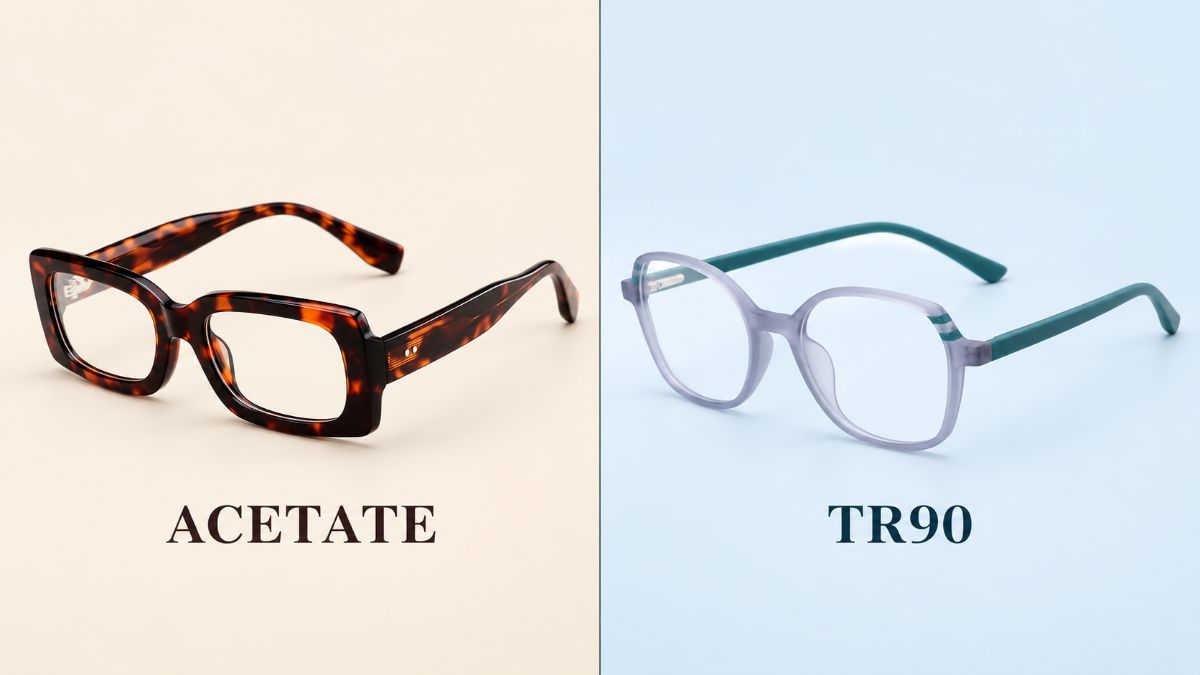
1. What Is Acetate?
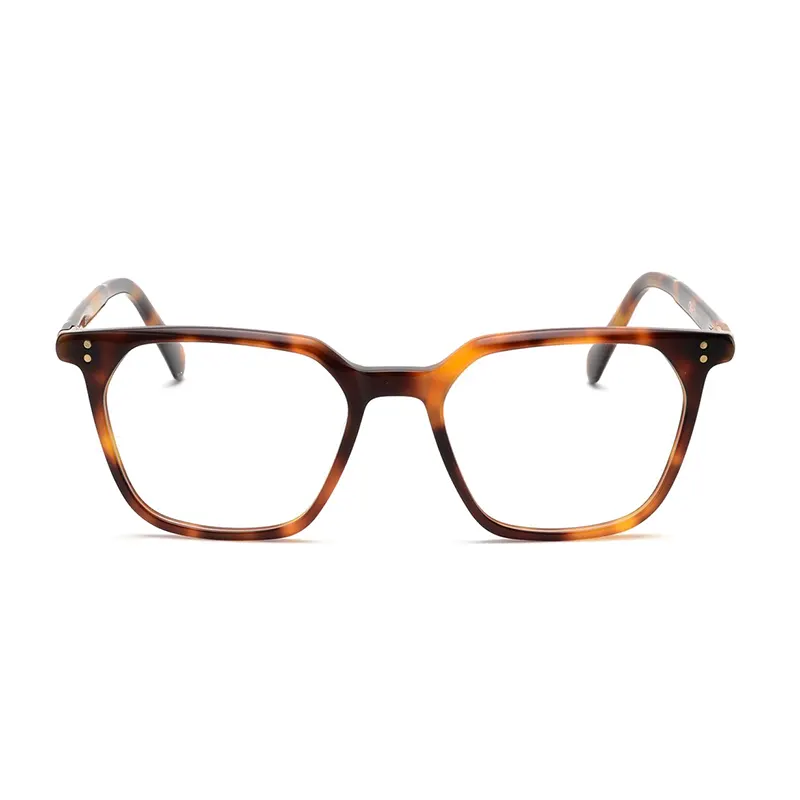
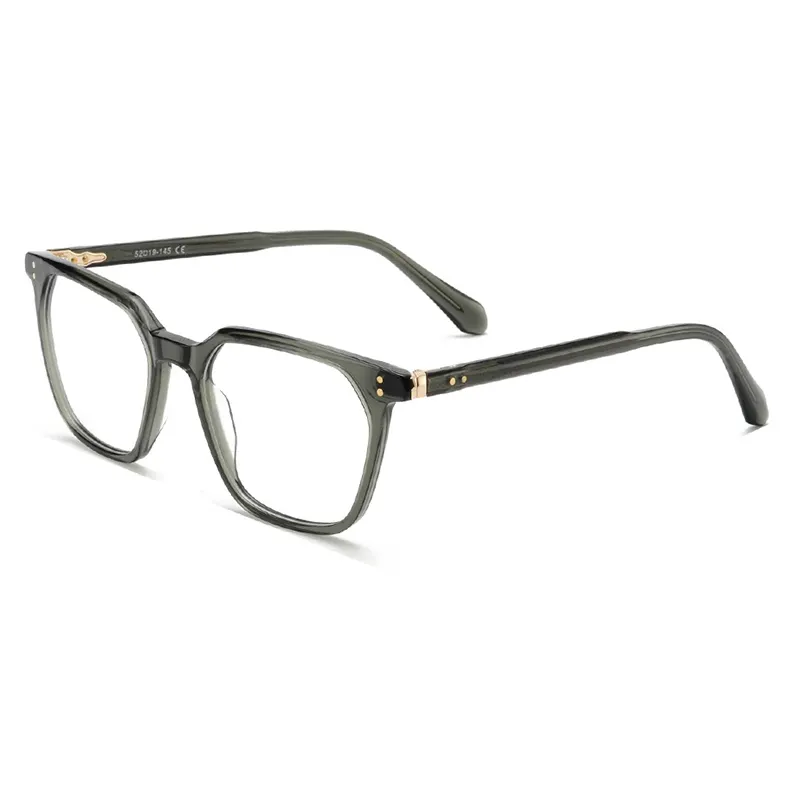
Acetate eyewear is commonly made from cellulose acetate, a plant-derived plastic material widely used in quality optical frames and sunglasses.
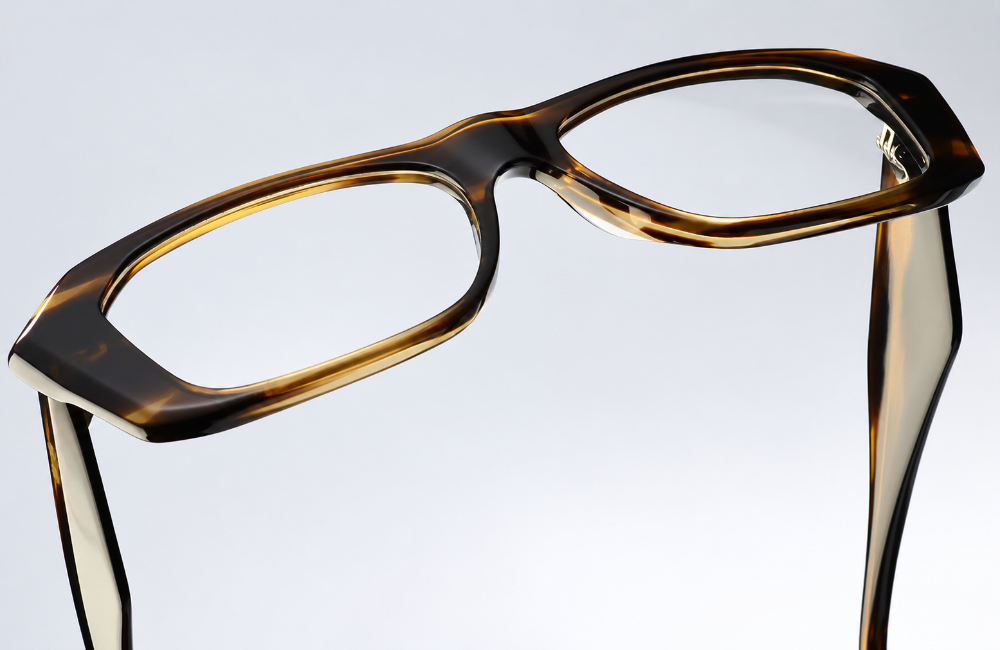
Key advantages:
- Premium appearance: Rich colors, layered patterns, and distinctive tortoiseshell effects.
- Design flexibility: Suitable for bold, classic, vintage, and fashion-forward frames.
- Solid feel: Often preferred by customers who appreciate substantial frames and refined finishes.
Best for: Fashion-focused optical stores, independent eyewear boutiques, and retailers targeting customers who value design and material aesthetics.
2. What Is TR90?
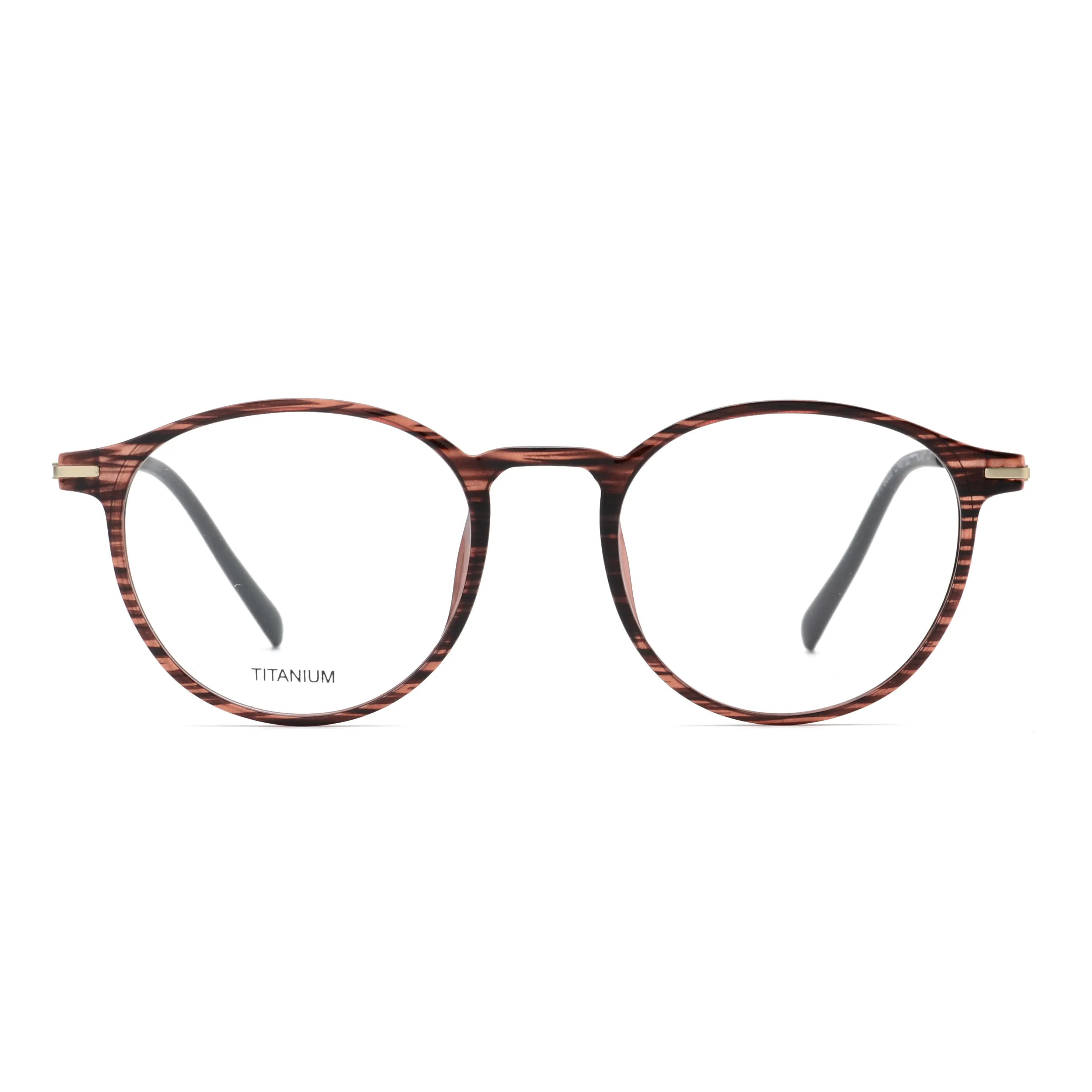
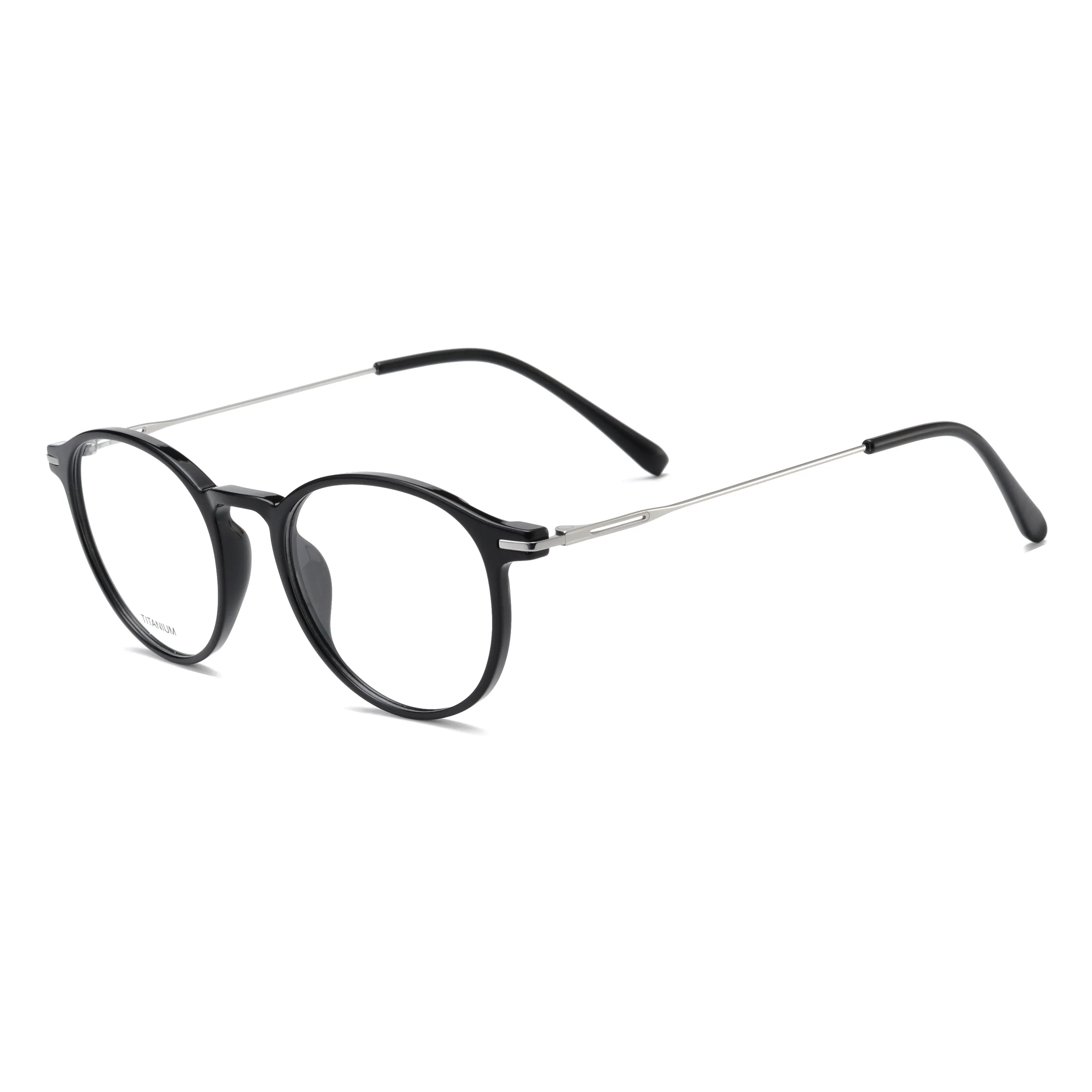
TR90 is a lightweight thermoplastic material commonly used in flexible eyewear frames. It is popular for practical, everyday designs where low weight and comfort are priorities.
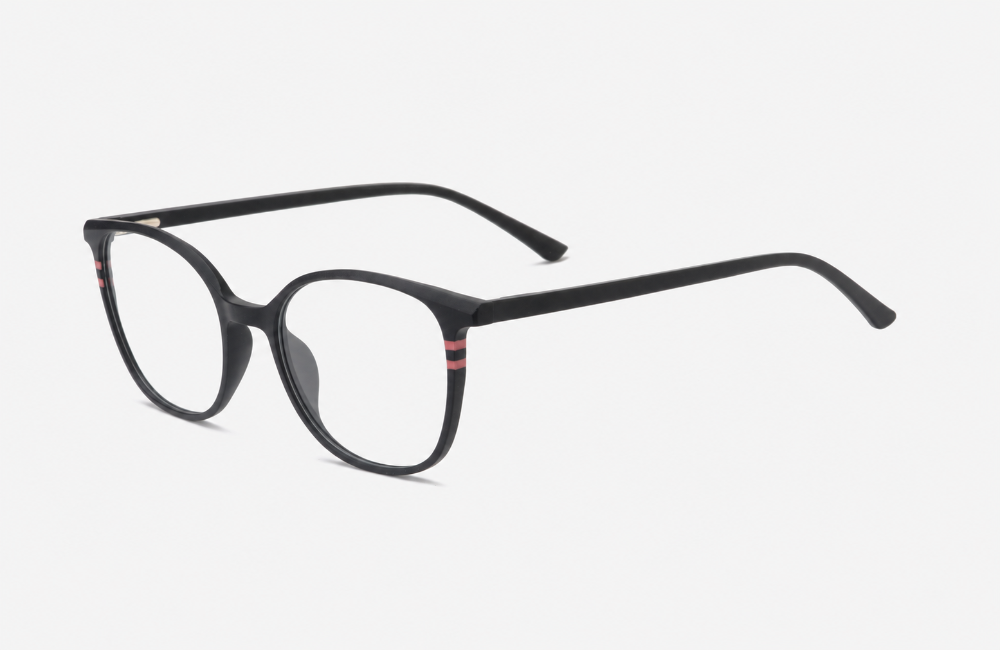
Key advantages:
- Lightweight comfort: Suitable for extended daily wear.
- Flexibility: Can help frames withstand everyday bending, depending on the design and construction.
- Practical styling: Works well for casual, active, and value-oriented eyewear collections.
Best for: Optical retailers, optometry practices, and wholesalers serving customers who prioritize lightweight comfort and everyday practicality.
3. Acetate vs. TR90: Key Differences
| Feature | Acetate | TR90 |
|---|---|---|
| Appearance | Rich colors and layered patterns | Often clean, simple, and sporty |
| Weight | Generally heavier | Generally lighter |
| Flexibility | Usually more rigid; can be adjusted by trained professionals | Typically more flexible |
| Style positioning | Fashion-led and premium-looking | Practical and comfort-focused |
| Typical use | Fashion optical frames and sunglasses | Everyday, lightweight, and active-use frames |
Note: Actual performance varies with material grade, frame design, thickness, hinges, and manufacturing quality.
4. Which Material Should You Choose for Your Collection?
The right choice depends on your customers, price positioning, and assortment strategy.
- For fashion-driven retail: Prioritize acetate frames with distinctive colors, patterns, and shapes.
- For everyday optical needs: Consider TR90 styles that emphasize lightweight comfort and practical wear.
- For optometry practices: Stock a mix of materials to accommodate different fit preferences, budgets, and lifestyles.
- For small wholesalers: Test a balanced selection before expanding into larger orders. Compare customer feedback, sell-through rates, and reorder demand.
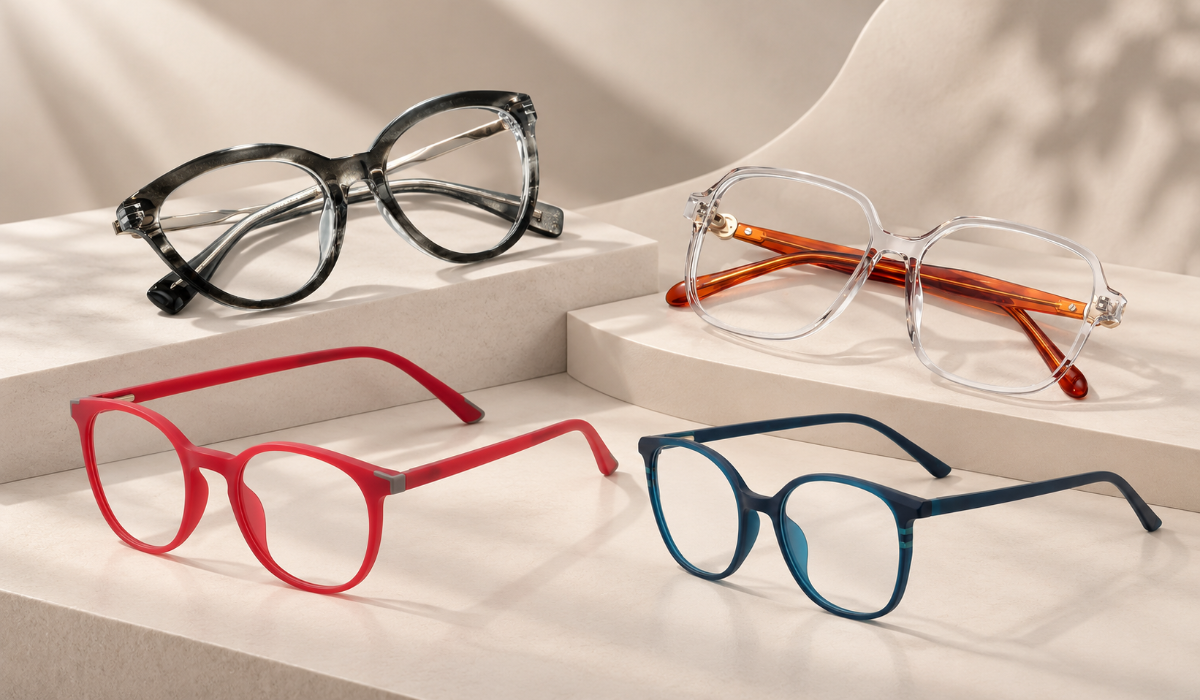
At Path Optical, wholesale buyers can explore optical frames and sunglasses across different styles and materials, helping them build collections that fit their customers and purchasing needs.
5. What Should Buyers Check Before Ordering?
Material alone does not determine frame quality. Before placing a wholesale order, consider:
- Construction: Check hinge strength, finishing, and overall assembly.
- Fit and comfort: Review frame dimensions, weight, bridge fit, and temple design.
- Color consistency: Check whether colors and patterns are consistent across the assortment.
- Supplier reliability: Ask about quality inspection, available specifications, and reorder availability.
- Order flexibility: For smaller businesses, flexible order quantities can help test new styles while managing inventory risk.
Frequently Asked Questions
Is acetate better than TR90?
Neither is universally better. Acetate is often preferred for its rich colors and fashion appeal, while TR90 is valued for lightweight comfort and flexibility.
Which material is lighter, acetate or TR90?
TR90 frames are generally lighter, although the final weight depends on frame size, thickness, and construction.
Is TR90 suitable for optical frames?
Yes. TR90 is widely used in optical frames, particularly for lightweight, everyday designs. Buyers should still assess fit, optical suitability, and overall construction quality.
Can retailers stock both acetate and TR90 frames?
Yes. Offering both materials helps retailers serve customers with different style preferences, comfort needs, and budgets.
Where can small businesses source acetate and TR90 eyewear wholesale?
Path Optical offers wholesale eyewear sourcing for retailers, optical practices, and growing businesses. Buyers can explore available styles and contact the team to discuss assortment requirements and order options.
Final Thoughts
Acetate and TR90 serve different customer needs. Acetate helps create a distinctive, fashion-led assortment, while TR90 supports lightweight, practical everyday options. For many retailers and small wholesalers, carrying both is a useful way to build a more versatile collection.
Build Your Next Eyewear Collection
Explore wholesale eyewear options at Path Optical.